A great alternative is Mail2Tor, which enables anonymous sending and receiving of messages via webmail or email clients. Additionally, the service does not keep your IP address on file, and all mail is encrypted. In contrast to the well-known setting of most web browsers, these technologies grant access to a hidden realm where identities are hidden and privacy is paramount.
Avoiding Harm And Mitigating Unintended Consequences
Dark web domains are generated in a cryptographically secure way, so they look like random strings of 16 characters or more (like 3g2upl4pq6kufc4m.onion, for example). With the advancement of technology, understanding how to navigate and utilize resources on the dark web becomes increasingly pivotal for researchers, journalists, and privacy advocates. Since academic research is often fenced off behind paywalls, Sci-Hub aims to democratize knowledge by allowing people to see publicly-funded research for free. Facebook joined the dark web way back in 2014, and it remains a viable way to access the website in China and other countries that block it. Facebook’s dark web portal also provides end-to-end encryption, which Facebook Messenger only enabled in December 2023. Activists, whistle blowers, and journalists also use the dark web to communicate securely with sources and news organizations.
How To Set Up And Use The Tor Browser To Search onion Websites
- While you cannot “see” someone on the dark web, there are valid, legal .onion services you can visit for proof and research.
- This helps you skip through or just identify duplicate links much faster.
- Due to its structured directory format, Onion Links is commonly mentioned under the category of dark search engine tools.
- That’s why many search engines have been developed specifically for this space.
- It provides safety and anonymity for journalists, privacy-conscious users, or those in high-censorship countries.
Haystak is often considered one of the deepest search engines for the dark web because it indexes around 1.5 billion dark web pages. While no search engine can cover the entire dark web due to its decentralized and ever-changing nature, Haystak is a top choice for exploring its hidden content. Torch is known for its quick loading times, enhancing the user experience.
Haystak: The Premium Powerhouse For Deep Dives
A real dark web search engine focuses on clean results and basic functionality. The Excavator search engine digs through the depths of the dark web, offering an expansive view of indexed content. One of the oldest and most robust dark web search engines, the Torch search engine is known for being fast, straightforward, and acting as an unblocked search engine with minimal filtering.
In 2024, I used Torlinks to find a Tor-based email service for a privacy guide. The “Privacy Tools” category listed a verified .onion link to ProtonMail, confirmed via r/onions. In early 2025, I used DeepSearch to find a Tor-based forum on AI ethics for a tech ethics piece. Searching “AI ethics onion forum” returned three highly relevant .onion sites with active discussions, no spam or dead links.
Comparing Key Features: A Visual Overview
It tracks Tor user activity by region, showing trends in access and adoption without collecting personal data. The official Tails OS documentation is also accessible through an .onion mirror, offering users critical setup and usage guides directly over Tor. This is especially valuable for people in censorship-heavy regions or under surveillance. These docs walk users through secure browsing, file storage, and messaging practices, all while maintaining the integrity of anonymous operating environments. ZeroBin is a paste tool that allows you to publish and share encrypted text anonymously. The tool is designed so that even the server cannot read the content you paste.
Access To Hidden Knowledge
Built with privacy in mind, Ahmia lets users explore dark web sites without exposing them to risky or harmful pages. It’s ideal for first-time users and researchers looking for real, working .onion resources in a safer environment. The dark web is an often misunderstood subset of the deep web, which encompasses all content on the internet not indexed by traditional search engines. Unlike the accessible surface web, which can be explored using standard browsers, the dark web necessitates particular software to access its encrypted websites. Dark web search engines are specialized tools that allow users to perform web searches within the dark and deep web.
Does The CIA Have An Onion Site?

The deep web includes content that isn’t indexed by search engines, such as private databases, academic journals, medical records, or anything behind a login page. The dark web, however, is a small, intentionally hidden part of the deep web that requires special tools like the Tor Browser to access. With the help of the Dark Web Search Engine, you can easily explore unindexed websites on the hidden and encrypted part of the Internet known as the Dark Web.
DuckDuckGo (Dark Web Version)
These tools add layers of privacy and protect against data leaks and surveillance. In addition, many dark web websites are configured to block or mislead regular crawlers. And since these sites require access through Tor, they can’t be reached over a normal connection. In some cases, they even require JavaScript activation or specific browser settings that are only supported through Tor or other compatible dark web browsers.
Search engines on the dark web are a bit of a contradiction because dark web sites by definition are not indexed by traditional search engines. Onion sites (aka Tor sites) are websites only accessible on the dark web; you can’t view them using a regular browser. Their URLs (aka dark web links) have .onion as the domain, instead of the common surface web domains like .com or .net.
- It indexes a wide array of .onion content, providing users with access to valuable resources and forums.
- The dark web exists on encrypted networks and uses protocols that traditional search engines like Google or Bing can’t access.
- The CIA’s onion site allows users to securely report threats or suspicious activity, especially in regions where online surveillance is common.
- Torch allows you to search for blogs, marketplaces, forums, and onion services across the Tor network without tracking or censorship.
- Understanding how to filter results and interpret metadata helps navigate the often messy datasets found on the dark web.
One of the biggest concerns for anyone exploring the hidden internet is safety. The dark web has always carried a reputation for risk, and in 2025 that has not changed. While many onion sites exist for privacy, research, or free speech, countless others are filled with scams, malware, and fake portals. Clicking the wrong link can compromise your device or even expose your identity. They log queries, track users, and use this information to build profiles. Dark web search engines, on the other hand, are built with privacy in mind.
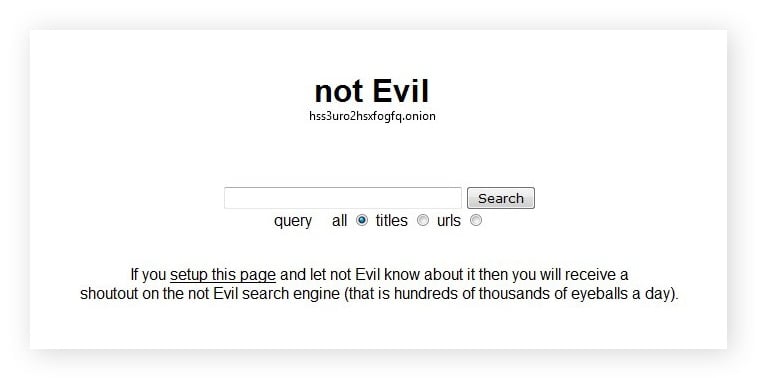
Onionland Search – Deep Web Navigation Tool
Given the above threats, it’s a good idea to use Tor over a VPN to access the dark web. ZeroBin is an attractive option for anyone looking to share sensitive information without compromising privacy. It’s particularly useful for journalists, whistleblowers, and those who urgently need to send or receive confidential data. This space for private free speech also carries the risk of exposing you to harmful content. Hidden Answers is one of the biggest question-and-answer dark web sites. This makes Riseup a vital tool for people in oppressive environments or anyone concerned with online privacy.