The Tor Onion Browser is essential for accessing the dark web, designed for user anonymity. Unlike the regular internet, the dark web doesn’t use standard URLs or search engines. Instead, sites have complex .onion addresses, making them difficult to find without the exact URL. In reality, the deep web encompasses all parts of the internet that standard search engines like Google can’t access.

Find The onion Address You Want To Access
It grants you access to scholarly articles and research papers that might not be available elsewhere. Then there’s The Hidden Wiki—a vital resource in the dark web ecosystem. While not a traditional search engine, it serves as a categorised directory resembling Wikipedia.
Why Are Specialized Search Engines Needed For The Dark Web?
Tordex is an uncensored dark web search engine that is accessible through the Tor browser. It allows you to suggest new onion sites for indexing and provides a unique feature displaying the last 5 public searches, offering insight into popular trends on the dark web. While Tordex aims to provide unrestricted access to dark web content, you should exercise caution as the lack of censorship may lead to exposure to sensitive or illegal material. Ahmia primarily indexes .onion sites on the dark web, not both surface and dark web content. It is specifically designed to make hidden services on the Tor network more accessible.
- As an average Internet user, you may accidentally stumble upon such content.
- However, engaging with illegal content or using dark web sites for unlawful purposes is a criminal offense.
- Simply put, the deep web lets you dig deep into untapped resources, that conventional search engines might not index.
- According to my personal experience, Deep Search seems to provide pretty accurate and useful results, unlike others who spam users with spam links.
- Individual profile viewing options for vendors & marketplaces are also available including details like ratings, mirror links, number of listings, and uptime percentage.
- Install Norton VPN to encrypt your internet connection and help protect the data you share online.
Step 1: Download And Install The Tor Browser

The deep web contains sites and pages that are often prevented from being indexed by search engines and contain unlinked content. Some of the best dark web search engines include Torch, DuckDuckGo, Ahmia, and Candle. Each of these engines serves a unique purpose, from ensuring user privacy to filtering dangerous sites. Candle emerges as a notable web crawler and Dark Web Search Engine, facilitating anonymous web surfing. With an index boasting over 100,000 web pages, including various Dark Web marketplaces and forums, Candle caters to users seeking diverse content within the hidden corners of the internet.
Signs Someone Has Access To Your Smartphone
- The Tor network adds a layer of anonymity, which helps dark web sites remain hidden and makes it impossible for conventional search engines to index them.
- For pros with budgets and security know-how, Haystak is a powerhouse, and its .onion link is a must-bookmark.
- Some markets are relatively short-lived (thanks to law enforcement), but others are notorious enough that they survive, for instance, Silk Road, AlphaBay, and Hansa.
- However, a follow-up search for “privacy forum onion” included a questionable link to a marketplace, which I avoided after checking r/onions.
- But the cost is steep, and the lack of filtering is a constant hurdle—I use it with a VPN, antivirus, and a sandboxed Tails OS, verifying every link before clicking.
- You can also take a look at the blogs & essays section if you want to find some nifty coding resources.
These platforms cater specifically to dark web users, providing more relevant results than conventional searches. Yippy is a distinct metasearch engine that groups search results from multiple sources to facilitate Deep Web exploration. This means it doesn’t just pull information from the surface web but dives into deeper, less accessible databases to bring you complete search results.
Candle is a web crawler and dark web search engine for Tor’s onion service websites. Candle’s index contains over 100,000 web pages, including dark web marketplaces and forums. It’s popular among cybercriminals and others who purchase illicit goods from dark web markets, so be careful when browsing, and make sure you protect your privacy with a VPN. Haystak also has a paid version which offers a number of additional features such as searching using regular expressions, browsing now-defunct onion sites, and accessing their API. Exploring the dark web can provide valuable insights and essential privacy, but it requires careful, informed navigation. By selecting trusted search engines, crafting precise search queries, and diligently verifying sites, you can greatly enhance your safety and effectiveness.
Secure Your Connection
Some sites might use these details for advertising, analytics, or tracking your online preferences. Formerly, Darren served on the Committee of Technology Infrastructure under Mayor Richard Daley. Prior to Keeper, Darren served as an advisor to JiWire, now called NinthDecimal. NinthDecimal is the leading media and technology service provider for the WiFi industry.
Other Notable Ones That Did Not Make The List Due To User Safety Concerns:

The “Privacy Services” category listed a functional VPN .onion site, verified via a Tor forum. However, half the other links were dead, and one redirected to a suspicious marketplace prompting for Bitcoin. But the lack of filtering is a constant headache; I’ve learned to cross-check every link via directories or forums and keep my antivirus on high alert.
The Hidden Wiki & Co
Blockchain.info (now Blockchain.com) is a popular cryptocurrency wallet and blockchain explorer service (one of the first sites to launch on the dark web). It was initially created to provide additional security and eliminate cryptocurrency theft. It’s a wallet, explorer service, not a dark web marketplace itself, but still a helpful resource. This is the best place to get short and reliable links to an unalterable record of any webpage across government and corporate websites. Formerly known as Archive.is, it is one of the best onion sites on the dark web.

But before we get into that, it’s important to understand the differences between the surface web, deep web, and dark web. So, even though it does exist on the internet, Google doesn’t index any of these pages or content. We are reader supported and sometimes earn a commission if you buy through a link on our site. A key feature of DuckDuckGo is its strict no-log policy, ensuring user privacy. As a result, the precise number of DuckDuckGo users remains undisclosed.
How Does A Dark Web Search Engine Work?
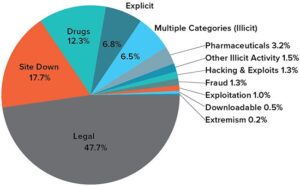
Dark web search engines bridge this gap by crawling and indexing these hidden services, serving as the only way to navigate the Tor network’s uncharted terrain. They’re not just for cybercriminals—journalists use them to uncover corruption, researchers study subcultures, and privacy advocates dodge surveillance. I’ve also included verified web addresses for each engine to ensure safe access. A large portion of activities on the dark web involve illegal content, transactions, or services. Simply accessing certain sites or engaging with the wrong links could implicate you in criminal investigations. On the other hand, the deep web is the hidden part of the Internet that contains private or restricted content that is not indexed by search engines.
Most of us spend our time online bobbing around at the “top” of the web. This is called the “surface” or “open” web and it’s where we can engage with various online services, including e-commerce sites, news sites, blogs, personal websites, and social media. The online content that is easily visible to us and the search engines we use, forms the tip of the web iceberg. Below this virtual water line comes the online content that is non-indexed and can’t be accessed via standard search engines. Users usually need a direct URL and password to gain access to this “deep web”, where you’ll find security-protected pages like login and payment portals. Paid services like online magazines and video-on-demand are also found here.