
This guide provides clear, step-by-step instructions to safely explore the Dark Web using Tor, helping you stay protected, informed, and anonymous. The dark web is the part of the internet that’s not indexed by public search engines like Google. It’s made up of forums, marketplaces, and websites you can’t find with a Google search and requires specialized software to access, such as the Tor Browser. Using a reliable VPN like ExpressVPN with dark web search engines is essential for protecting your privacy. It hides your IP address, encrypts your internet traffic, and prevents your activity from being traced. A VPN also masks your online behavior from ISPs, which could flag you as suspicious for accessing the dark web.
Virtual Private Network(VPN)
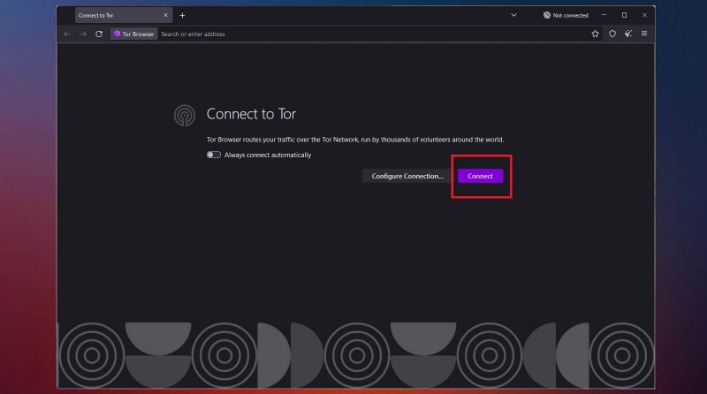
If you are a journalist or whistleblower and want to access the dark net for legal purposes, this guide is for you. We have covered some in-depth and tested steps to use it safely. It is free, open-source, and based on a hardened version of Firefox. For most people, it will be the best and safest starting point. It is the closest thing to a full dark web online anonymity suite.
Step 3: Know Where You’re Going

The dark web is part of the deep web and is hosted on darknets and encrypted networks like Tor, Freenet and Riffle. It comprises websites, resources and services that aren’t indexed by regular web crawlers. The websites are hidden in layers of encryptions and use dot (.) onion domains, which is why they are called onion sites.
Facebook Onion Site
Although the deep web and the dark web may seem intimidating and dangerous, they’re actually surprisingly simple services to get started with and use. Another problem with this system is that there’s increasing evidence that law enforcement agencies — such as the FBI — run and operate large number of exit nodes. This means that if you do anything illegal on the dark web and are unlucky enough to be routed through one of these nodes, the authorities will be well aware of what you’re doing. Crawling is the process by which search engines scour the internet for new content and websites. That’s not to say that the entire deep web consists of these difficult-to-find websites. This may be a necessary weakness given Tor’s operating model, but it should come as no surprise that law enforcement agencies and cybercriminals have taken advantage of it.
Is It Illegal To Access The Deep Or The Dark Web?
When you’re finished, make sure to close your browser before disconnecting from your VPN. Search engines use automated programs called crawlers to look for new websites. Crawlers click every link they can find, then compare each new URL against an index of known sites. Before I go into how to get on the dark web, I want to start with a safety briefing. Darknet tools have real value in privacy-focused, humanitarian, and journalistic efforts.
If my attorney stood up in court and said “four out of 10 things Sam does every day are legal,” I would fire them. But we can’t ignore that criminal activity also occurs on the surface web, and nobody talks about the surface web as though it’s wholly evil. The surface web consists of web pages you can reach through a search engine. To keep it simple, HTTP is a set of rules that lets browsers connect to servers using the World Wide Web. It gets connections from A to B, but does nothing to protect them.
#1 Install A VPN
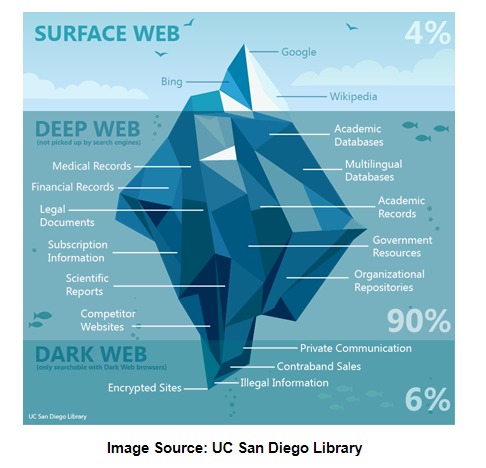
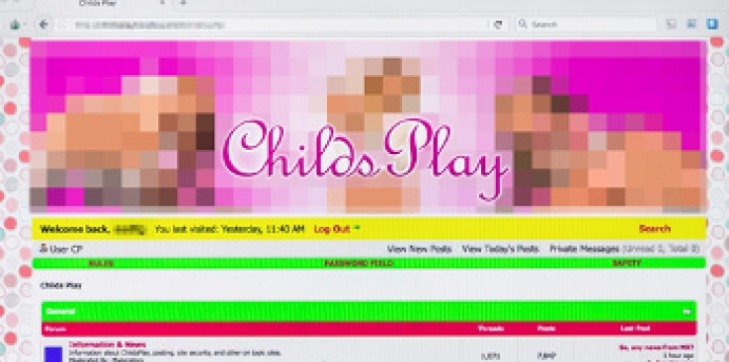
For example, one of the most common ways to access both the deep web and the dark web is through Tor. The dark web refers to the subsection of the deep web that provides illegal services. This runs the gamut from illegal substances to personal information, credit card details, child sexual abuse material and, allegedly, assassination contracts. Serving is the final step of the process for search engines like Google.
Step By Step Process: How To Access The Dark Web Anonymously
Obtaining .onion URLs is more difficult — they’re controlled by their server hosts, so I can’t help you with that. To arrest Ross Ulbricht, the Silk Road magnate, FBI agents had to physically grab his laptop. The search engine shows the website to anyone who submits a relevant query.
Because dark web pages generally aren’t indexed, you can’t find them using traditional search engines, but some search engines like DuckDuckGo may help you navigate the dark web more easily. The Hidden Wiki is a directory hosted on the clear net (also called the “surface web”) that contains a list of .onion links for many of the best dark web websites. The most common tool for accessing the Dark Web is Tor (The Onion Router). Tor provides anonymity through a process known as “onion routing,” where internet traffic is encrypted and passed through multiple network nodes. Each node decrypts just enough data to know the next destination but not the origin, making tracing the connection back to the user exceptionally difficult. With rising curiosity around hidden corners of the internet, many professionals wonder, “how to access the dark web” safely.
Known for its accuracy, Deep Search stands out by delivering precise and useful results, avoiding the spammy links commonly found on similar platforms. Dark web is usually used for illegal activities so you can’t only rely on the Tor browser and need a VPN for robust privacy and security. A dark web VPN encrypts all internet traffic passing through and from your device and route it via a server of your choice. Because VPN prioritizes privacy while Tor prioritizes anonymity, combining the two adds an extra layer of online security and privacy. Yes, simply accessing the dark web is legal in the United States.
- However, Tor over VPN does not protect your device from dangerous Tor exit nodes.
- Just in case you don’t, you can always use darknet search engines.
- CryptBB focuses on the exchange of advanced hacking tools, stolen identity logs, and various exploitation techniques.
- Understanding these emerging threats is crucial for businesses to conduct comprehensive cybersecurity risk assessments and implement robust protective measures.
- The volatility of cryptocurrencies adds another layer of complexity.
If the person tracking you is very advanced and has unlimited resources, they could conceivably de-anonymize you when you make certain mistakes, like downloading files or enabling scripts. Don’t be fooled into going to a malicious clone site that is designed to extract your information. Downloaded files could have malware in them that may be designed to de-anonymize you or infect your device. If you must download something from the dark web, only download files and run them using a completely isolated virtual machine. Its main appeal is that it offers more privacy and supports legacy Firefox add-ons. It also eliminates data collection, telemetry, and other suspicious code modern web browsers tend to use, which are troubling at best.
As long as there’s a demand for the ability to privately browse the internet and, more importantly, host websites anonymously, the deep web will exist. Due to its decentralized structure, there is no real way to “shut down” the deep net, just like you can’t really shut down the regular internet. In theory this should make your deep web browsing (as well as your regular web browsing) entirely private from interlopers. However, since your traffic is routed through nodes that you don’t have any control over, you are at the mercy of whoever operates these nodes. However, if you’re planning to use it for illegal activities, there are significant risks involved.
Examples include password-protected websites, private databases, and subscription-based resources, contributing to a broader yet less visible realm on the internet. In the deep net, web crawlers are blocked from accessing web pages to gather information for indexing, so the content remains hidden. Some content and services on the deep web are indexed by search engines, but paywalls or password protection prevent access. Content and services on the deep web are accessible through a regular browser.
Search Darknet
In certain cases, law enforcement also uses darknet mirrors, setting up replica versions of illicit marketplaces to trap unwitting users or gather intelligence on vendors. These decoy environments are instrumental in collecting evidence and understanding transaction flow. The diffusion of misinformation campaigns is also orchestrated through Dark Web forums. Propaganda materials, scripts, and synthetic identities are sold or exchanged, enabling the manipulation of public opinion and interference in political events.