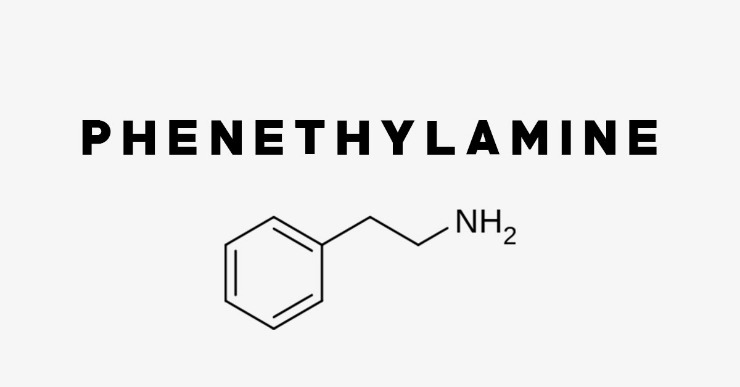
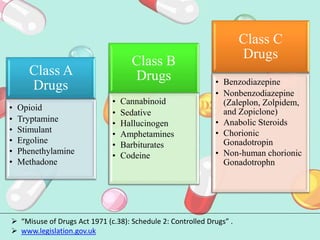
The dangers and risks of heart attack and death from taking MDMA and methamphetamines are well-known 69, 70, 71. They can have serious and potentially fatal side effects like anxiety, depression, hallucinations, long-term changes in behavior 66. Phenethylamine is a naturally occurring compound that is not classified as a controlled substance in the United States. Generally, pure phenethylamine is not listed as a controlled substance, allowing for its legal purchase and possession.

Physically, Potential Side Effects Can Include:
In a consecutive study (Kusaga et al., 2002), those of the children suffering with ADHD were treated with methylphenidate, also known as Ritalin. Patients whose symptoms improved in response to treatment with methylphenidate had a significantly higher PEA level than patients who did not experience such an improvement in their condition (Kusaga et al., 2002). Glaucoma is a leading cause of blindness, and this has been related to increased intraocular pressure (IOP). Reduction of IOP is an effective treatment for glaucoma but some patients are refractory to current therapies. Investigators at Alcon Research identified 5-HT2A receptors in ocular tissue and demonstrated that topical administration of R(-)DOI, a potent 5-HT2 receptor agonist identified by us, produced a significant decrease in IOP in cynomolgus monkeys.
2C-B was manufactured in the 1980s and early 1990s under the names Nexus, Erox, Performax, Toonies, Bromo, Spectrum, and Venus and marketed as MDMA’s replacement after MDMA became scheduled in the USA 6, 7. 2C-B was initially intended for psychotherapy use due to its short 1-h duration of action 3. Due to 2C-B’s significant gastrointestinal effects and lack of empathogenic effects as compared to MDMA, it rapidly fell out of favor for psychotherapy. In 1995, 2C-B was placed on Schedule I of the Controlled Substances Act by the Drug Enforcement Agency (DEA) 6, 7.
- Training on drug and non-drug (i.e., typically vehicle) conditions, with (sweetened condensed milk or solid food pellet) re-enforcement, continues daily.
- Coli, which leads to large amounts of L-phenylalanine and tyrosine decarboxylase activity (Marcobal et al., 2006).
- Users frequently report a vivid intensification of colors, with the world taking on a kaleidoscopic quality.
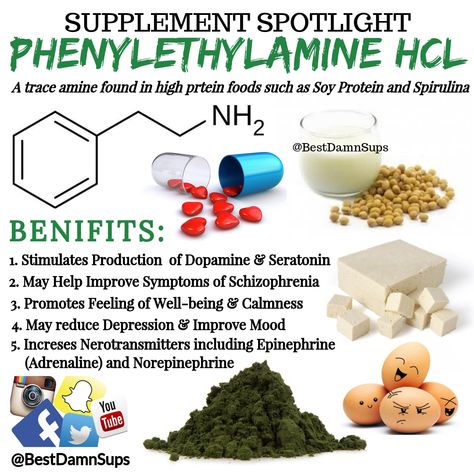
- Phenethylamine (PEA) is a neurotransmitter that is naturally produced by our bodies.
-B Guide And Other Phenethylamines:

One reason might be that they are unable to readily cross the blood–brain barrier. The concept of the blood–brain barrier (BBB) was proposed as early as 1900 by Lewandowsky14 (reviewed15) but was not fully appreciated for many decades to come. This means that most polar agents (i.e., those that are not very lipophilic – simple phenols, catechols, carboxylic acids, quaternary amines) typically fail (or display a reduced ability) to gain entry to the brain. Other agents, those possessing unprotected primary amines, such as PEA (1) or tryptamine – agents of moderate lipophilicity – if they penetrate the BBB, are rapidly metabolized by enzymes such as monoamine oxidase (MAO). As a consequence, polar agents usually possess minimal, if any, central activity.
5 Β-PEA Produced A Higher Breakpoint In Self-Administration Under Progressive Ratio Schedules Of Reinforcement In Rats
Phenethylamine can also directly stimulate the postsynaptic receptors to exert its effects. The general public has long been aware of traditional illicit drugs such as cocaine, marijuana, and methamphetamine. Designer drugs were created in the 1960s to avoid the provisions of existing drug laws by preparing analogs or derivatives of currently available drugs. Designer drugs including the 2C class discussed in this article are not new but have been increasing in popularity.
-B Unique Effects May Include Changes To:
Studies by Battaglia and Bieniek et al. showed superior efficacy with a combination of haloperidol and lorazapam as compared to either drug alone for psychotic agitation 49. Additionally, in addition to their prominent therapeutic applications, it is worth mentioning the recreational use of a long list of alkaloids incorporating the aforementioned moiety (“designer drugs”) 2, responsible for drug abuse-related conditions 3,4,5,6,7,8. Surprisingly, the literature lacks a comprehensive summary that bundles up 2-phenethylamine-based structures and known therapeutic targets, including basic hits or advanced leads. Pairing these will present an appealing opportunity to both new and experienced researchers to summarize 2-phenethylamines target binding and therapeutic scope, as well as selectivity/antitarget issues.
Figure 12
Overall, the question has been raised where to go from here (Artigas, 2013) and a need for the novel approaches to depression treatment is evident. The study by Xie and Miller (Xie & Miller, 2008), that had shown that PEA altered the serotonin transporter by interacting with TAAR, may point towards a safer alternative to SSRI treatment of depression in the form of PEA. Recent literature focuses on the biological synthesis of PEA, rather than the chemical one. 1-phenylethylamine can be synthesized by Escherichia coli overexpressing ω-transaminase (Cardenas-Fernandez et al., 2012).
To predict a possible binding pose of two potent DA reuptake inhibitors, 9 and 28, a molecular docking simulation was conducted using Smina software (Koes et al., 2013), which is equipped with customized scoring functions such as Vina, Smina, Vinardo, and Autodock4 (AD4). Vina (Trott and Olson, 2010) is a hybrid (empirical and knowledge-based) scoring function, whereas AD4 (Huey et al., 2007) is based on AMBER force field. Smina and Vinardo are updated versions of Vina, for example, Smina has improved docking performance and Vinardo can perform optimized scoring function due to improved scoring, ranking, and docking performance (Quiroga and Villarreal, 2016). Because the score ranking and binding pose critically depend on the scoring function, it is important to employ a proper scoring function to enhance the computational confidence for a rigid docking simulation. The phenethylamines 2C-H, 2C-I, 2C-B, 25B-NBOMe, MDMA were purchased from LGC Standards (LGC Standards S.r.L., Sesto San Giovanni, Milan, Italy) and The results of this study and those obtained in our work confirm the well-known key role of metabolism in chemical genotoxicity 63.
8 Tissue Collection For DA ELISA And Western Blotting
The appropriate dose of phenethylamine depends on several factors such as the user’s age, health, and several other conditions. At this time there is not enough scientific information to determine an appropriate range of doses for phenethylamine. Keep in mind that natural products are not always necessarily safe and dosages can be important.
These molecules are divided into numerous sub-groups based on the different substitution on the aromatic ring, on the alkyl chain, and on the nitrogen atom. To date, psychoactive phenethylamines represent the third largest group of NPS, after synthetic cannabinoids and cathinones, for a total of 99 molecules 6,7. Also, some psychoactive phenethylamines were developed as potential drugs for psychiatric conditions 8,9,10, but they have not yet been put on the market due to their adverse effects or the lack of the desired therapeutic effects 11.
Best Herb For ADHD: Natural Ingredients That May Support Focus, Calm, And Cognitive Health
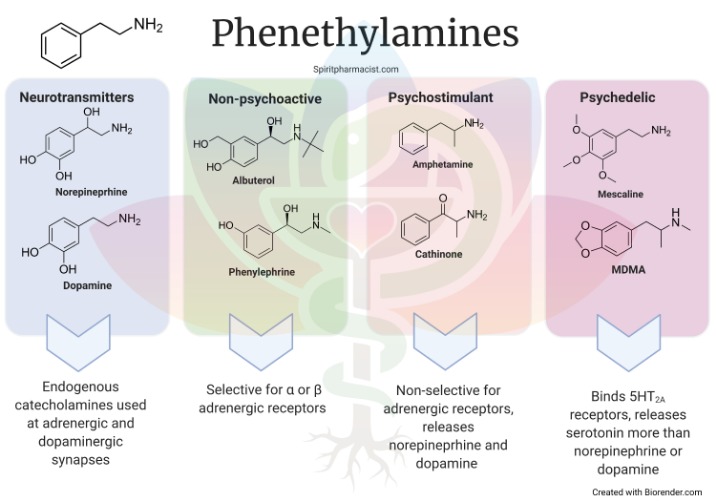
Manufacturers of designer drugs purposely change the structure of these drugs to stay ahead of drug laws, making it difficult for clinicians to stay informed. Structure manipulation to produce new compounds, advertisement of these compounds as “legal” highs, and ease of access of designer drugs from the internet, raves, night clubs, and sale in head shops have rejuvenated and promoted the current designer drug resurgence 1, 2. Phenylethylamines are also generally found to be central nervous system stimulants with many also being entactogens/empathogens, and hallucinogens. Phenethylamines (plural), or substituted phenethylamines as they are known, are made up of the same chemical structure as phenethylamine, but by making slight changes to the structure it is possible to create new drugs with significantly different effects. Phenylethylamine acts as a central nervous system stimulant and has the important role of helping the body create certain chemicals that play a role in mood stabilization. In fact, chemically it works similarly to the drug amphetamine (or Adderall, used to treat attention deficit hyperactivity disorder, narcolepsy and obesity), which is why taking too much is a bad idea.
MDMA and many others may be arguably better classified as enactogens ‘to touch within’ or empathogens ‘generating a state of empathy’ than psychedelics ‘mind-manifesting’. They are colloquially considered “heart openers” due to effects increasing emotional openness and expansiveness. Many other novel psychedelic phenethylamines and their ranges in effects have been described in Alexander and Ann Shulgin’s work PIHKAL. Numerous endogenous compounds – including hormones, catecholamines such as dopamine and noradrenaline, and many trace amines (e.g. adrenaline, phenethylamine itself, tyramine, thyronamine, and iodothyronamine) – are substituted phenethylamines. Several notable recreational drugs, such as MDPV (Monkey Dust), MDMA (ecstasy), methamphetamine, and cathinone, are also members of the class.