If you’re ADHD or ADD, you should see an improvement in mood, attention span, focus and mental clarity. Not quite the same effect you’d get from something like Adderall but with a side benefit of more sociability. The result is nearly instantaneous improvements in cognitive performance, attention, awareness, pleasure, libido, and a sense of well-being. PEA instead only increase the amount of neurotransmitters that get released when a neuron is stimulated by receiving an impulse from a neighboring neuron.
Analogues of phenethylamine with the ethylamine side chain extended or shortened include phenylpropylamine and benzylamine. The N-methylated derivative of phenethylamine is N-methylphenethylamine.
While phenethylamine supplements are thought to be relatively safe for humans, high doses of phenethylamine supplements have been shown to cause death in mice 68. Note that taking phenethylamine supplements is different from taking substituted phenethylamines, which should be taken with extreme caution as they have been shown to cause schizophrenia-like psychosis 21, 65. Other substituted phenethylamines, like amphetamines, can also alter behavior and may cause hallucinations 57. If your goal is to increase phenethylamine to improve your mood-related issues — including those of depression or anxiety — it’s important to talk to your doctor, especially your symptoms are significantly impacting your daily life.

Bovine Colostrum Benefits For Immune, Gut And Skin Health (and Beyond)
MAO A and MAO B are the two enzyme isoforms, sharing a 70% sequence identity and differentiating each other in the substrate scope 213. Theoretical approaches to rationalize isoform selection by substrates have been described 214,215. As these two oxidases are responsible for neurotransmitter inactivation by oxidation, their dysfunction drives several neurological disorders, hence the therapeutic attractiveness (Figure 19, Table 7). The dopamine transporter receptor modulates the availability of released dopamine in the synaptic space by relocating it back into the presynaptic cell.
Monoamine Releasing Agent
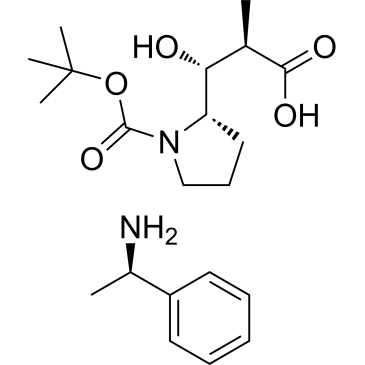
PEA is structurally related to amphetamines and neurotransmitters such as dopamine, norepinephrine, and serotonin. The chemical properties of the biogenic amines, trace amines, and structurally related drugs are summarized in Illustration 2. Illustration 3 is a graphic representation of the regulatory pathway from the trace amine PEA to the increased concentration of the biogenic amines and neurotransmitters dopamine and serotonin. Chapter II summarizes the impact of PEA on three psychological disorders, attention deficit hyperactivity disorder, depression, and schizophrenia.
- The administration of PEA or of its precursor L-phenylalanine improves mood in depressed patients treated with a selective monoamine oxidase B inhibitor.
- These drugs can increase the levels of PEA in the body, leading to potentially dangerous side effects such as high blood pressure, rapid heart rate, and seizures.
- This program included an extensive training session on food safety and sanitation that displayed cultural sensitivity and various communication strategies and incentives to spread these important food safety and sanitation messages into the communities.
- It may also be a reliable way to reduce symptoms of depression, as well as increase overall concentration.
- Additionally, anecdotal evidence and consumer reports consistently highlight its energizing and focus-promoting effects.
What Use Is Phenylethylamine, Then?
Phenylethylamine is a naturally occurring compound found in many foods, such as chocolate, cheese, and wine. It is also produced in the human body and is believed to play a role in regulating mood and behavior. If you’re someone who has been exploring the world of nootropics or supplements, then you may have come across phenylethylamine. This compound is known for its purported benefits, which include weight loss, mood enhancement, and cognitive enhancement.
Serotonin Level Testing: Methods, Importance, And Implications For Mental Health
Coli, which leads to large amounts of L-phenylalanine and tyrosine decarboxylase activity (Marcobal et al., 2006). Intriguingly, PEA can serve as a substrate for the synthesis of other drugs, such as sulfonamides that are being used as antimicrobials (Rehman et al., 2012). Two different pathways that lead to the chemical synthesis of PEA have been established in the 40s and 50s of the past century. First, PEA is produced by reduction of a nitrile into an amine (Robinson & Snyder, 1955). Specifically, 1 kg of benzyl cyanide is mixed with 1 tablespoon of the Raney-Nickel catalyst in a calorimeter bomb. The formation of secondary amines in this reaction is reduced by the addition of ammonia.
Phenylethylamine Central Nervous System Benefits
Some users claim that it can improve focus, attention, and memory, and even promote creativity and productivity. Furthermore, while PEA may have potential benefits for weight loss, it’s important to remember that everyone’s body is different. It’s important to listen to your body and make adjustments to your diet and exercise routine as needed to achieve your weight loss goals.
Optimal Dosage Of Phenylethylamine (PEA)
The researchers’ analysis showed that quercetin reversed the ferroptosis signaling pathway upregulated by acrylamide. PEA can be found in various natural food sources, including chocolate, cheese, and wine. However, the amounts found in these foods are relatively small, and it may be difficult to obtain a therapeutic dose through diet alone. However, as with any nootropic or supplement, it’s important to approach PEA with caution and not to expect miraculous results. While some and some users may experience improvements in cognitive function, others may not experience any noticeable effects. Another potential benefit of PEA is its ability to enhance cognitive function.
Garcinia Cambogia: Is It Safe For Weight Loss?
We recommend against phenethylamine supplements until their safety has been fully verified. In addition, phenethylamine injected intravenously in rats was absorbed mainly by the lungs, liver, and kidneys, and less than 1% reached the brain 55. The phenethylamine in chocolate may, in theory, explain its reputation as an aphrodisiac (a substance that increases libido) 50. Phenethylamine can be used to indicate food quality and freshness since large amounts of phenethylamine are produced by bacteria 47. Clinical studies are lacking to rate phenethylamine for attention and focus. No clinical evidence supports the use of phenethylamine for any of the conditions listed in this section.
Some research suggests that it may be able to promote the release of certain hormones that can help to suppress appetite and increase metabolism, leading to a reduction in body weight over time. Takahashi et al. 225,226,227,228,229,230 derived a small series of flexible 2-phenethylamines with analgesic activities, with moderate potency effects when compared with pentazocine or morphine (Figure 20a). Manchado et al. 231 developed quick asymmetric routes furnishing this type of derivative. Spetea et al. 232 developed selective diphenethylamine-based tertiary amines as κ-opioid receptors with 100-fold and 1000-fold selectivity difference compared with its congeners (Figure 20b).
Importantly, our data support that the amperometric currents induced by βPEA are mediated by DAT-1. In fact, in DA neurons lacking expression of dat-1, βPEA did not generate amperometric currents. In conclusion, while PEA may have potential benefits, it’s important to approach its use with caution and to carefully consider the potential risks and side effects.
3 Β-PEA Significantly Increased The 50-kHz Ultrasonic Vocalization Calls In Rats
PEA isn’t among the top Nootropics stack options due to its effects being so brief-lived. However, some neurohackers love PEA because of it’s stimulantand mood-enhancing properties. Phenylethylamine is highly bioavailable, and quickly crosses the blood-brain barrier. Phenylethylamine (PEA) suggested dosage for cognitive benefit is 500 mg up to 3-times per day.
Taken together, our findings suggest that β-PEA has psychoactive properties given its rewarding and reinforcing effects via the activation of dopaminergic neurotransmission, and it has psychotomimetic potentials such as circling or head-twitching behavior. These effects are likely mediated by DAD1R in the dorsal striatum of rodents. Many of these psychoactive compounds exert their pharmacological effects primarily by modulating monoamine neurotransmitter systems; however, there is no mechanism of action or biological target that is common to all members of this subclass. Scientifically, PEA acts as a neuromodulator and neurotransmitter, influencing the release of dopamine and other catecholamines in the brain. Some small clinical studies and animal research have suggested that PEA supplementation may provide benefits for mood enhancement and attention.
Phenylethylamine is a natural chemical that is responsible for pleasurable feelings. It is also responsible for the “love drug” effect that people experience when they are in love with someone. Phenylethylamine improves brain health and function in a variety of ways. This category comprised of PEA substances includes amphetamines, stimulants, empathogens, psychoactives, appetite suppressants, nasal decongestants, bronchodilators and antidepressants.