
There are other drugs that have been used in refractory cases, such as vincristine, bortezomib and azathioprine, and splenectomy has also been used. The mechanism is direct endothelial injury with release of von Willebrand factor multimers, which overwhelm ADAMTS13 capacity and activate coagulation-complement crosstalk. Preeclampsia results from abnormal placentation with production of anti-angiogenic (i.e., anti-VEGF) factors triggering complement activation. This typically occurs later in the pregnancy; helpful diagnostic tests are abnormal uterine doppler and elevated sFlt-1/PlGF ratios (the latter are not yet available in the United States).
TMA-3 User Report
These data suggest a link between HSCT-TMA and GVHD, possibly sharing a not completely understood pathological mechanism. Moreover, several authors propose an aggressive treatment of GVHD in patients with HSCT-TMA 88, 94. The ubiquitin proteasome pathway is critical in the cell cycle, destroying targeted proteins. Bortezomib, carfilzomib and ixazomib act through proteasome inhibition, preventing the degradation of pro-apoptotic factors.
TTP (thrombotic Thrombocytopenic Purpura)
After a median follow-up time of 13 months (range, 0.36–48.16) after TA-TMA diagnosis, the OS was 70%. One-hundred-day survival was 70% in the study population and 100% among responders (Fig. 2). None of the patients included in this study experienced TA-TMA reactivation. All of them, despite intensive care, died of progressive multiorgan failure, characterized by complications such as acute respiratory failure, acute renal failure, and hemodynamic instability. At the time of death, laboratory signs of TA-TMA could still be detected. In the fifth non-responder, narsoplimab was discontinued due to inefficacy and a concomitant refractory poor graft function.
Other nephrotoxins should be avoided any time close to the conditioning regimen 88, and platelet and RBC transfusion could be indicated 8. To add complexity to this issue beyond complement activation, Gavriilaki et al. recently suggested that neutrophil and coagulation cascade activation could also be of importance in HSCT-TMA pathophysiology 106. HSCT-TMA pathophysiology is complex and not fully understood, but endothelial dysfunction is probably independent of ADAMTS-13 activity 8,89,93. Several TKIs are related to DiTMA, but the majority of case reports refer to sunitinib, a multitargeted TKI that inhibits VEGFr.

Entry Criteria: PLASMIC Score Is Applicable To Patients With:
A Loss of glands in the colon mucosa, characterized by the disappearance and atrophy of glands. Mucosal denudation, involving the loss of surface epithelium, often replaced by a single layer of regenerative enterocytes. B Widespread sloughing of epithelial cells and perivascular hemorrhages in the mucosa, indicated by the extravasation of red blood cells (RBC) from capillaries in the lamina propria.
Key Diagnostic Findings In Acute TMA
Presently, they are used in several monoclonal gammopathies 56, including multiple myeloma 13,75, 76, 77. Carboplatin has very few cases reported, mostly in coadministration with drugs like gemcitabine, docetaxel or trastuzubam 51, 52, 53. The pathogenesis of MMC-induced TMA involves direct endothelial toxicity 18,20, although immune-mediated reactions have also been described 21,22.
- The incidence of TMA in patients with HIV has reduced significantly since the application of highly active antiretroviral therapy and is now ~0.3%.72 Treatment is supportive with optimisation of antiretroviral therapy.
- Although rituximab is not approved for treatment of TTP (off-label use), it is currently the drug of choice for the long-term control of immune-mediated aTTP (recommendation grade I B) (5).
- During the active phase of the disease kidney failure can often be severe enough to require manual blood cleaning with dialysis.
- Five pediatric patients tapered or discontinued CNIs at TA-TMA diagnosis.
- Teresa Chuva is a Nephrology Physician Assistant, working at Portuguese Oncology Institute of Porto since her early residency in Nephrology.
- Moreover, these targets have different distributions above tissues and organs.
At least one case reported successful use of eculizumab, but the patient also presented a complement protein mutation 41. Immune-mediated reactions – Just like DITP, drugs can cause TMA by the formation of drug-dependent antibodies. Different from DITP, in which the drug-dependent antibodies react only with platelets, in DITMA the drug-dependent antibodies react with multiple different cells to cause the systemic microvascular thrombosis that defines TMA. Quinine-induced TMA is typically a very sudden and severe illness with severe kidney injury. Patients often can recall the exact time, place, and circumstances of their initial symptoms, and these symptoms typically occur within several hours of quinine exposure.
Chemotherapeutic agents were the first to be implicated in causing DITMA. Mitomycin and gemcitabine have numerous reports of dose-related DITMA, while one report describes an immune-DITMA as a result of gemcitabine administration (19–26). Despite their use as a combination with other drugs, which makes the direct causal relationship difficult in some cases, many well-described cases support a clear-cut association (21, 27, 28). This involves the removal of plasma — water, salts, and enzymes — from the blood.
- Patients must now meet the criteria for a “definite” or “probable” association with TMA.
- In 19 (90%) of these 21 patients, the etiology was attributed to quinine; 12 of the 19 patients with quinine-induced TMA has been reported previously;(8) the other seven patients with evidence supporting a definite association were diagnosed following this report.
- TMA investigation will only be pursued if a complete anamnesis and physical examination allows for a high grade of suspicion.
- After a median follow-up time of 13 months (range, 0.36–48.16) after TA-TMA diagnosis, the OS was 70%.
- Gemcitabine-induced TMA clinically presents as a predominantly kidney-limited disease, with AKI in almost every patient, frequently requiring haemodialysis.
- She co-chairs the ClinGen complement gene curation expert panel, is a councilor in Women in Nephrology, has served on the ASN career advancement committee, and received the 2022 NKF “Award of Excellence”.
Additionally, significantly higher CH50 levels were described in HSCT-TMA patients 104,120. The association with mitomycin was only possible in 54 patients, principally because it was often administered together with 5-fluorouracil. Similarly, of the 85 individual patients reported with TMA attributed to gemcitabine, the association was only possible in 73 patients.

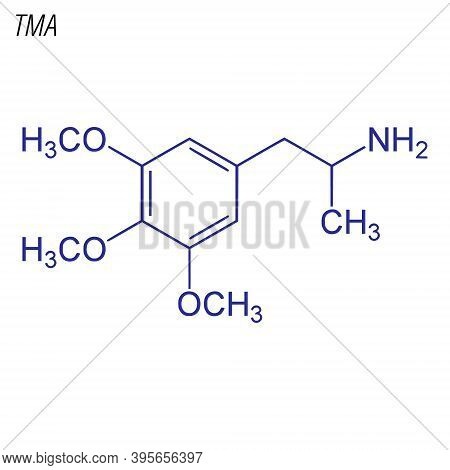
Chemical Data
Genetic mutations leading to dysregulation of the alternative complement pathway or autoantibodies against complement regulatory proteins are identified in ~ 50% of aHUS patients 4. However, genetic variants in complement regulatory proteins are also detected in patients with secondary, e.g., chemotherapy-induced, TMA 3. In such patients, the underlying dysregulation of the alternative complement system may be unmasked by the applied drug, acting as a complement-activating trigger. Given the incomplete penetrance of the genetic defects, complement-activating conditions play an important role for the development of TMA 3, 21, 22.
One such adverse effect is TMA which constitutes microangiopathic hemolytic anemia (MAHA), thrombocytopenia, intravascular thrombosis, and ischemia-induced end-organ damage. This disease, now known as thrombotic thrombocytopenic purpura (TTP), is one of the most extensively studied subtypes of TMA. Primary TMAs mainly include hereditary or acquired forms of TTP and primary atypical hemolytic uremic syndrome (aHUS). Their pathogeneses are well-understood, and their respective diagnosis and treatment are well-developed. Drugs (including chemotherapy), pregnancy, malignant hypertension, autoimmune rheumatic diseases, infection, transplant, and malignancy constitute the secondary TMAs (Figure 1). Example published cases of type I (chemotherapy) and type II (targeted therapy) antineoplastics are presented along with therapeutics explored and outcomes where available.

Congenital Thrombotic Thrombocytopenic Purpura (Upshaw–Schulman Syndrome)
The term thrombotic microangiopathy describes an etiologically very heterogeneous group of diseases (table 1), which in the presence of endothelial damage can lead to thrombosis of small and micro vessels, both arterial and venous. Microangiopathy can lead to secondary consumption of platelets and mechanical hemolysis. Thrombotic microangiopathy is defined by the triad of Coombs-negative hemolytic anemia with evidence of schistocytes in the blood, thrombocytopenia (microangiopathic hemolytic anemia), and ischemic end-organ damage. Depending on the vascular systems involved, renal failure, neurological symptoms, cardiac complications, respiratory failure, visual disturbances, pancreatitis, intestinal ischemia, and (less commonly) skin changes may occur (1, 2). Mortality is high if untreated, with reports published prior to the advent of effective therapy of 72–94% (3, 4). Recognizing thrombotic microangiopathy and initiating plasmapheresis within 4 to 8 hours is essential for successful therapy (recommendation grade 1 B) (5).
PLG variants can decrease proteolytic activity of plasmin and trigger TMA. Complement blockers may be helpful in select cases, and trials in this disease space are ongoing. The alternative pathway is constitutively active due to spontaneous hydrolysis of small amounts of C3, the so-called C3 tick-over. To score a point, the “offense” (two proteases, Factors B and D, and a stabilizing protein, Properdin P) will engage with C3 basketball to create the powerful alternative pathway C3 convertase.
Monoclonal Antibodies
A cross-sectional multicentre study 143 showed that patients with TiTMA, when compared with those with idiopathic TMA, had a longer duration of symptoms, including some atypical ones, such as bone pain and wasting. To sum up, even if no etiological role has been recognized with certainty in patients with HSCT-TMA, it is clear the association between endothelial damage and complement overactivation, both in early and terminal pathways. Endothelial injury is also a feature of GVHD, with endothelial cells as the putative direct target of donor cytotoxic T lymphocytes 88,106,111.
Management Of Chemotherapy-Associated TMA
In rare cases, tubular reticular inclusions can be found, suggesting a high level of interferon activity, even in the absence of viral infection. Immunofluorescence is generally negative for immune complexes, although there may be unspecific fibrin deposition 8. Autopsy studies have showed a poor correlation between clinical and histological findings 91,97. Recently, there have been some reports of CPIs-induced TMA with ipilimumab and nivolimumab. Despite the temporal correlation, true causality is difficult to establish, since the reported cases presented confounding factors, namely metastatic malignancy and other drugs related with TMA 85. Most reports implicated bortezomib and carfilzomib, describing a systemic syndrome with MAHA, thrombocytopenia and AKI.